
Chelsea is a neighborhood shaped by routine as much as discovery. People return to the same streets, the same cafés, the same restaurants because they value familiarity that still feels rewarding. An Italian restaurant in Chelsea must understand that dynamic. It must offer comfort without becoming static, and refinement without drifting into formality.
Italian cuisine naturally fits this environment because it was never meant to feel rare or exclusive. Italian food is built for regular enjoyment—meals that unfold over conversation, plates that feel satisfying without excess, and spaces that encourage people to stay rather than rush on to the next thing. In a neighborhood where life moves quickly, Italian dining offers a pause.
At Da Andrea Chelsea, the Italian restaurant experience is designed around that pause. The menu, service, and atmosphere work together to create a sense of ease. Guests are not asked to decode trends or chase novelty. Instead, they are invited into an experience that feels grounded, familiar, and dependable—qualities that matter deeply in Chelsea’s dining culture.
Key Takeaways
- A great Italian restaurant in Chelsea prioritizes balance, hospitality, and consistency over trends.
- Thoughtful menu structure shapes how Italian meals are experienced.
- Fresh pasta and carefully prepared dishes anchor the table.
- Atmosphere and service are as influential as food quality.
What Defines an Italian Restaurant in Chelsea Today
An Italian restaurant in Chelsea succeeds when it understands its audience. Chelsea diners are not necessarily looking for the newest concept or the most experimental menu. They are looking for places they can rely on—restaurants that deliver the same quality whether it’s a busy weeknight or a relaxed weekend dinner.
Modern Italian dining must also reflect how people actually eat today. Guests may arrive hungry after work, meet friends spontaneously, or plan a longer evening around dinner. The experience needs flexibility without confusion. Italian cuisine works because it allows for that freedom, letting guests shape their meal rather than follow a rigid structure.
At Da Andrea Chelsea, this definition guides every decision. The restaurant does not try to reinvent Italian dining. Instead, it refines it. By focusing on consistency, clarity, and balance, Da Andrea Chelsea becomes the kind of Italian restaurant that fits naturally into daily life—reliable enough to return to, satisfying enough to crave.
Italian Hospitality as the Foundation of the Experience
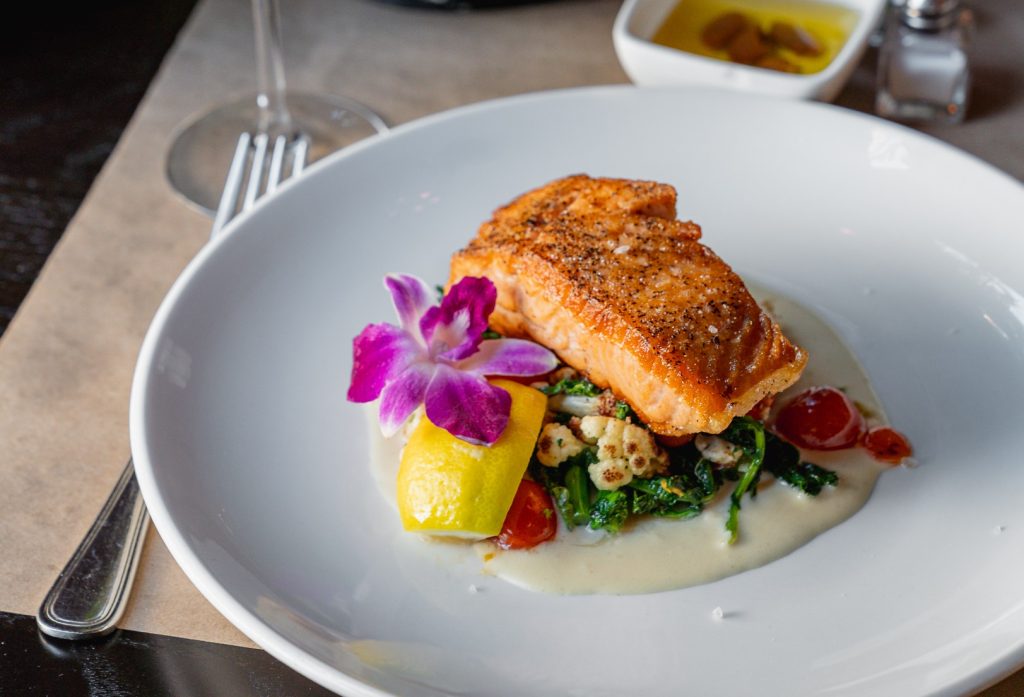
Italian hospitality is rooted in generosity and presence, not performance. In Italy, meals are rarely rushed, and guests are never made to feel like they are on a clock. That philosophy carries into Italian restaurants that value genuine connection over efficiency.
Hospitality in an Italian restaurant should feel intuitive. Guests should feel welcomed immediately, guided gently through the experience, and supported without interruption. When service is overly formal or overly casual, it disrupts the rhythm of the meal.
At Da Andrea Chelsea, hospitality is practiced with restraint and intention. Staff are attentive without hovering, responsive without rushing. This approach allows guests to settle into their meal comfortably, creating an atmosphere where conversation flows naturally and return visits feel inevitable rather than intentional.
The Role of Menu Structure in an Italian Restaurant
Menu structure plays a critical role in Italian dining. Italian meals are not designed to overwhelm the table with choices; they are meant to unfold gradually. A well-structured menu helps guests navigate the experience with confidence.
Category-based menus reflect how Italian meals are traditionally enjoyed. Lighter dishes open the meal, richer options anchor it, and supporting plates create balance across the table. This structure allows guests to customize their experience without confusion.
At Da Andrea Chelsea, the menu is organized to support this natural progression. Whether guests choose a lighter meal or several courses, the structure accommodates both. This clarity is especially important in Chelsea, where diners value ease and familiarity as much as quality.
How Italian Menu Categories Work Together
| Menu Category | Role in the Meal | Guest Experience |
| Starters & Small Plates | Introduce flavors | Light, social beginning |
| Pasta & Entrées | Anchor the meal | Comfort and depth |
| Sides & Accompaniments | Balance the table | Completes the experience |
Fresh Pasta as the Heart of an Italian Restaurant in Chelsea
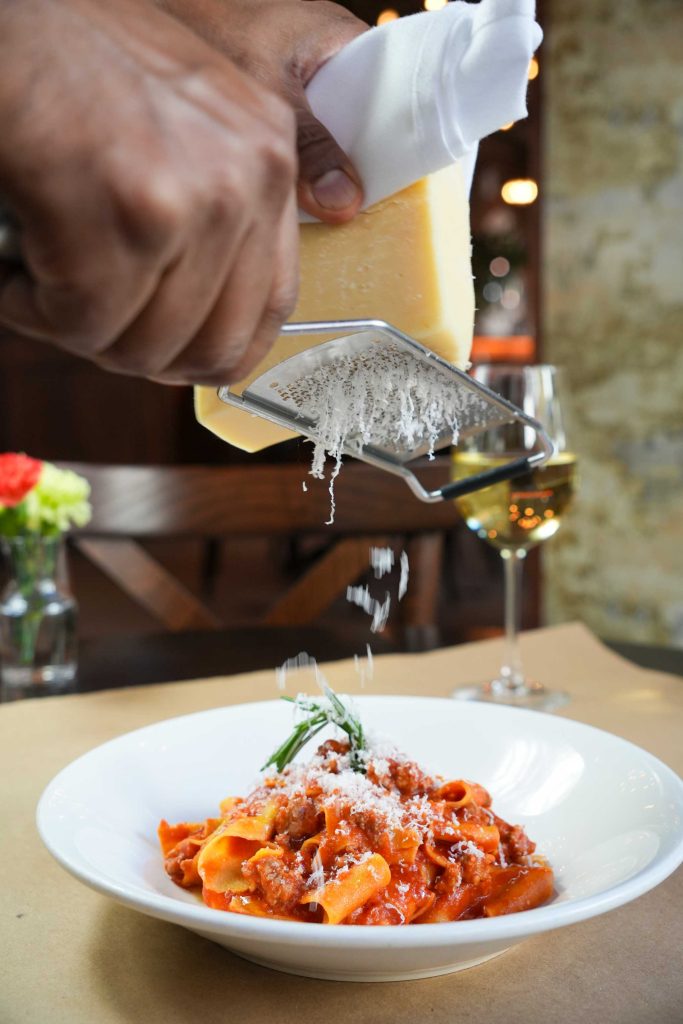
Fresh pasta is more than a menu category—it is a cultural cornerstone. In Italian cuisine, pasta represents craftsmanship, tradition, and comfort in equal measure. Its presence often defines how guests judge an Italian restaurant.
The texture of fresh pasta creates a fundamentally different experience. It carries sauces more naturally, offers a softer bite, and allows flavors to integrate rather than sit separately. This difference may seem subtle, but it dramatically shapes how satisfying a dish feels.
At Da Andrea Chelsea, pasta is treated as the heart of the menu. It is prepared thoughtfully and paired intentionally, offering familiarity without heaviness. In a neighborhood filled with dining options, this commitment to quality pasta gives guests a reason to return again and again.
Italian Cooking Built on Balance, Not Trends
Italian cuisine has lasted for generations because it resists trends. Rather than chasing novelty, it focuses on balance—between richness and acidity, simplicity and depth, indulgence and restraint.
Trend-driven cooking often prioritizes attention over longevity. Italian cooking does the opposite. It creates dishes meant to be eaten repeatedly, not once. That repeatability is what makes Italian restaurants so enduring.
Da Andrea Chelsea embraces this philosophy fully. While the menu may evolve, its foundation remains stable. This commitment to balance ensures that the restaurant remains relevant without sacrificing identity, offering Chelsea diners a sense of continuity in a fast-changing landscape.
Ingredients, Technique, and Consistency
Italian cuisine depends on ingredient quality. Because dishes are simple by design, there is nowhere to hide. Freshness, sourcing, and care matter deeply.
Technique supports those ingredients quietly. Proper preparation enhances natural flavors without overshadowing them. When technique is strong, dishes feel effortless rather than forced.
Consistency brings everything together. Guests expect the same quality every visit. At Da Andrea Chelsea, consistency is treated as a promise—one that builds trust and turns occasional diners into regulars.
Wine and Cocktails in an Italian Restaurant in Chelsea
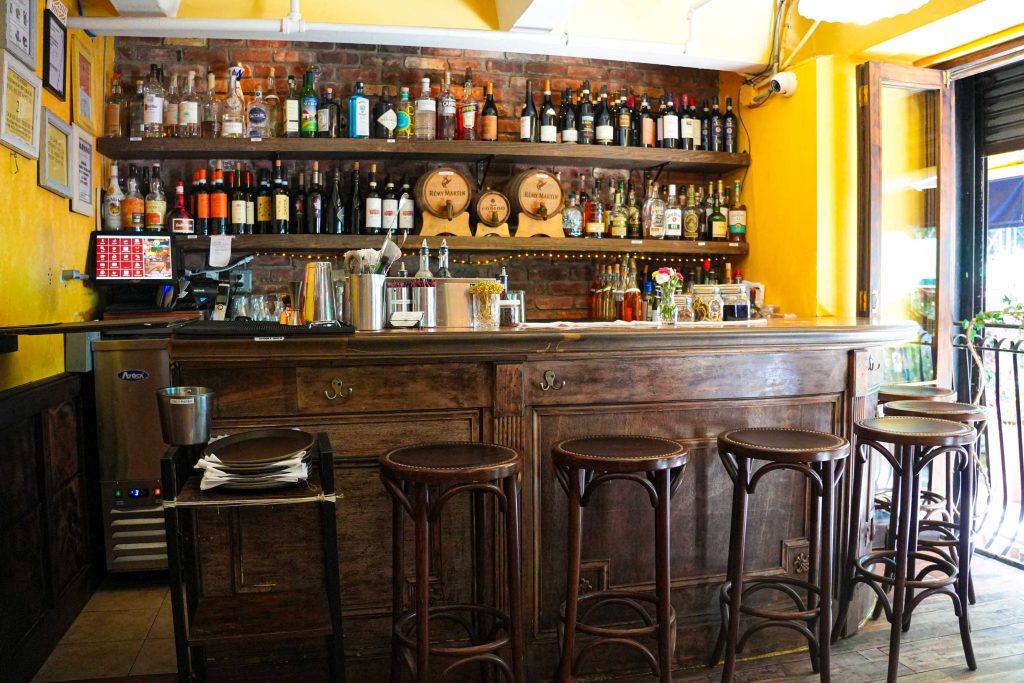
Wine has always been central to Italian dining culture. It is not an accessory but a companion to the meal, meant to enhance flavors and slow the pace.
Cocktails offer a modern complement when approached with restraint. They provide flexibility while still respecting the food. Aperitifs, in particular, help guests ease into the experience.
At Da Andrea Chelsea, the beverage program is designed to integrate seamlessly with the menu. Drinks support the rhythm of the meal rather than competing for attention.
The Role of Beverages in Italian Dining
| Beverage Type | Purpose | Dining Impact |
| Wine | Traditional pairing | Enhances flavors |
| Cocktails | Modern option | Adds versatility |
| Aperitifs | Opening ritual | Sets the tone |
Atmosphere: The Soul of an Italian Restaurant in Chelsea
Atmosphere defines how a restaurant is remembered. Lighting, sound, and pacing all shape how guests feel during and after the meal.
An Italian restaurant should feel warm and inviting. The room should encourage conversation and lingering, not turnover. Comfort allows guests to relax into the experience.
At Da Andrea Chelsea, atmosphere is understated by design. The space adapts naturally from early evening to late night, supporting both quiet dinners and lively gatherings without losing balance.
An Italian Restaurant in Chelsea for Every Occasion
Italian restaurants endure because of their natural versatility. They are not built around one type of guest or one type of moment. Instead, they adapt seamlessly to the rhythm of daily life. In a neighborhood like Chelsea—where weeknights can be just as important as special occasions—this adaptability is essential.
At Da Andrea Chelsea, the dining experience shifts effortlessly depending on how guests arrive. A casual weeknight dinner feels relaxed and grounding, offering comfort without formality. On busier evenings or celebratory nights, the same space feels warm and social, allowing energy to build organically without becoming overwhelming. The menu supports this flexibility by offering balance—lighter options for simpler meals and more substantial dishes when the occasion calls for lingering.
What makes this adaptability feel genuine rather than generic is consistency. The experience never feels like it is trying to be something different depending on the night. Instead, the same values—thoughtful food, attentive service, and a welcoming atmosphere—remain intact, allowing the restaurant to meet guests where they are while still feeling unmistakably Da Andrea.
Guests Choose an Italian Restaurant in Chelsea Because It Offers:
- Comforting food rooted in tradition, creating familiarity without feeling repetitive
- An atmosphere that encourages conversation, where meals unfold naturally rather than on a clock
- Flexibility for both casual dinners and special occasions, without changing identity
- Consistency that builds trust over time, making the restaurant an easy, confident choice
Why Guests Return to the Same Italian Restaurant in Chelsea
Loyalty in dining is rarely driven by novelty. Guests return to restaurants that feel dependable—places where they know the experience will be satisfying without requiring effort or uncertainty. In a neighborhood with endless options, reliability becomes a powerful advantage.
Familiarity plays a central role in this return behavior. When guests know the menu structure, recognize the atmosphere, and feel comfortable with the service, dining becomes effortless. There is no learning curve, no hesitation, and no need to overthink the choice. The restaurant becomes part of a routine rather than a special calculation.
At Da Andrea Chelsea, repeat visits are earned through consistency. The restaurant does not aim to surprise guests each time they return. Instead, it focuses on delivering the same quality, warmth, and balance on every visit. Over time, this reliability builds trust—and trust is what transforms occasional diners into regulars.
Conclusion
A truly great Italian restaurant in Chelsea does not depend on spectacle, trends, or reinvention. It depends on balance—between food and atmosphere, tradition and comfort, familiarity and refinement.
At Da Andrea Chelsea, Italian dining is approached with intention. The menu is thoughtfully structured, the service is warm and attentive, and the atmosphere invites guests to slow down and stay awhile. Each element supports an experience that feels complete rather than performative.
That is why guests return. Not just for a specific dish or a single occasion, but for the feeling the restaurant consistently provides. In a fast-moving neighborhood, Da Andrea Chelsea remains a place where Italian dining feels timeless, grounded, and worth coming back to again and again.
Frequently Asked Questions
1. What defines a great Italian restaurant in Chelsea?
Consistency, thoughtful menu structure, quality ingredients, and genuine hospitality define a great Italian restaurant in Chelsea.
2. Is Da Andrea Chelsea a traditional Italian restaurant?
Yes. It is rooted in Italian culinary tradition while offering a refined, neighborhood-focused dining experience.
3. Why is menu structure important in Italian dining?
Menu structure guides the meal naturally, allowing guests to dine at their own pace.
4. Are Italian restaurants in Chelsea suitable for everyday dining?
Absolutely. Italian restaurants are designed for both regular visits and special occasions.
5. Why do guests return to the same Italian restaurant in Chelsea?
Consistency, comfort, and a welcoming atmosphere keep guests coming back.